Buyer guide · 6 min read
How to Import Dehydrated Vegetables from India: A Step-by-Step Guide
By Shantanu Gawli, Mireva Foods ·
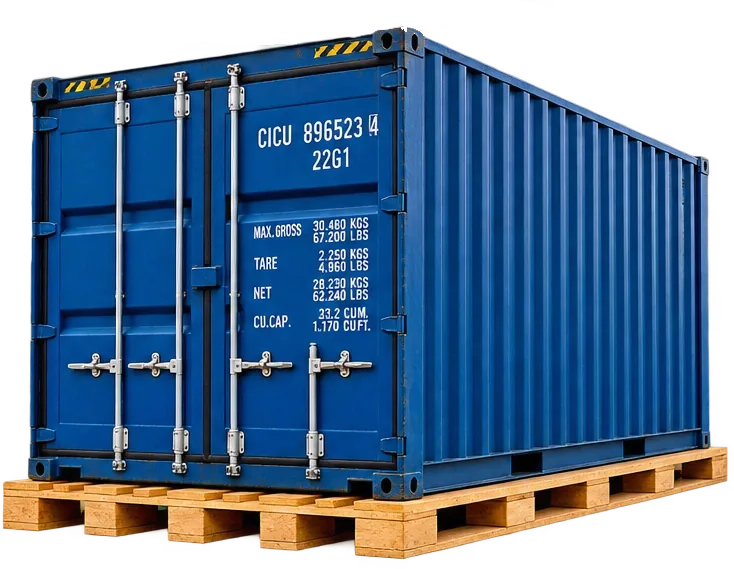
India is one of the world’s largest producers of onion, garlic and ginger, which makes it a natural source for dehydrated ingredients. A smooth first import comes down to a clear specification, the right documents and a supplier who communicates well. Here is the process we follow with new buyers.
1. Agree a written specification
Define the product, grade or mesh, moisture, colour, microbiological limits, packing and labelling. This becomes the reference for every test and every shipment.
2. Approve a sample
Test a representative sample in your own lab or production line before placing a bulk order. Many buyers then start with a small trial order before moving to full containers.
3. Choose an Incoterm
- FOB (Free On Board): the supplier delivers the goods onto the vessel at the Indian port; you arrange and pay for ocean freight and insurance.
- CFR (Cost and Freight): the supplier also pays ocean freight to your port; risk passes to you once goods are on board.
- CIF (Cost, Insurance and Freight): as CFR, plus the supplier buys marine insurance for the voyage.
For dehydrated goods from western India, the usual loading port is Nhava Sheva (JNPT), Mumbai.
4. Production, testing and packing
The batch is produced, tested against your specification and packed, typically in 25 kg bags with a food-grade liner, palletised or floor-loaded in the container.
5. Export documents
- Commercial invoice and packing list
- Bill of lading
- Certificate of Analysis (COA) for each batch
- Certificate of Origin
- Phytosanitary certificate, where your country requires one
6. Import requirements in your country
- European Union: food must meet EU contaminant and pesticide-residue limits; your importer of record handles customs and any official controls at the border.
- United States: facilities that manufacture, process or pack food for the US must be registered with the FDA, and Prior Notice must be filed before the shipment arrives. Ask your supplier for the processing facility’s FDA registration.
- Gulf countries: labelling and shelf-life rules apply; check Arabic labelling requirements with your importer.
Rules change, so confirm current requirements with your customs broker before the first shipment. A good supplier will prepare documents to match.