Buyer guide · 6 min read
Dehydrated Onion Powder Specification: Moisture, Mesh, Ash and Microbiology Limits
By Shantanu Gawli, Mireva Foods ·
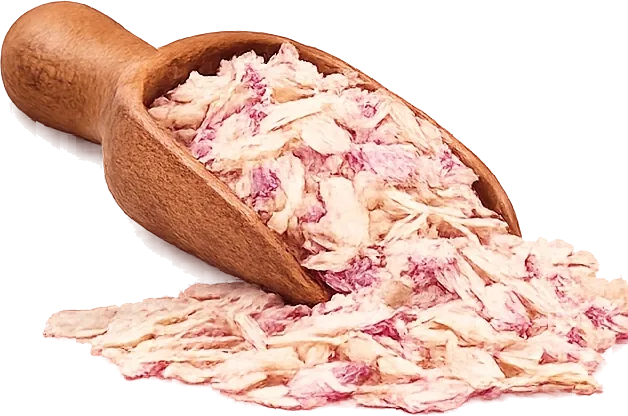
A dehydrated onion powder specification is the written list of limits a supplier must meet on every batch: moisture, particle size (mesh), ash, colour, microbiology and packing. It is the document your Certificate of Analysis (COA) is checked against, so a vague spec is the most common cause of off-grade shipments. Below are the parameters food manufacturers usually set for onion powder sourced from India, and why each one matters.
Typical onion powder specification at a glance
| Parameter | Typical export limit | Why it matters |
|---|---|---|
| Moisture | 5% max (some buyers accept 6%) | Higher moisture causes caking, browning and microbial growth in transit |
| Particle size | 80-120 mesh (powder); 0.2-1 mm for granules | Controls dispersion, dust and how evenly it blends |
| Total ash | 5-6% max | High ash points to soil, sand or poor cleaning |
| Acid-insoluble ash | 0.5% max | Direct measure of sand and silica contamination |
| Colour | Off-white to light cream (white onion) | Darker powder signals over-drying or old stock |
| Foreign matter | Nil | Stones, peel and plastic are rejected at inspection |
| Microbiology | Agreed per buyer (see below) | Food safety and shelf life |
These are common market values, not a legal standard. Your own product, process and destination country decide the final numbers.
Moisture: the parameter that fails most often
Onion powder is hygroscopic: it pulls water from the air. Powder that leaves the plant at 4% can arrive at 6% or more if it is packed in an unlined bag or stored in a humid warehouse. Ask for moisture to be tested close to packing, and specify a food-grade inner liner inside the outer bag. Once a bag is opened, reseal it the same day.
Which mesh size should you specify?
- 80 mesh: slightly coarser, flows well, good for dry seasoning blends.
- 100 mesh: the most common all-round grade for soups, sauces and gravies.
- 120 mesh: very fine and disperses fastest; preferred for instant soups and smooth sauces, but more prone to caking.
Always state the test method too, for example "minimum 95% passing through 80 mesh". Without a pass percentage, two labs can report the same powder differently.
Microbiology limits to agree in writing
Dehydrated onion is a raw agricultural product that is not cooked during drying, so microbiological limits must be agreed up front. Most buyers specify limits for:
- Total plate count (TPC)
- Yeast and mould
- Coliforms and E. coli
- Salmonella (absent in 25 g is the usual requirement)
- Sulphite-reducing clostridia or Bacillus cereus, where the end product needs it
Packing, labelling and shelf life
Standard export packing is 25 kg multi-wall paper or woven polypropylene bags with a food-grade liner, on pallets or floor-loaded in a 20 ft or 40 ft container. Each bag should carry the product name, batch number, production date, best-before date and net weight. A typical shelf life is 12 months when stored cool and dry in unopened packing.
How the specification is checked on every shipment
A good supplier tests each batch against your specification and sends the COA before the goods are loaded, so you can approve or reject before shipping. For a first order, many buyers also approve a pre-shipment sample in their own lab. At Mireva Foods we quote only against a written specification and send a COA with every batch.